Women's Trainers: A UK Buyer's Guide to Fit and Value
A pair is worth buying when its design suits your activity and the fit feels comfortable straight away. With so many running shoes, retro designs and chunky styles available, choosing by appearance alone can leave you disappointed.
The right pair of ladies’ trainers depends on where you'll wear them, how they fit and what you want to spend. Prioritise comfort and style alongside a comfortable fit, then consider construction and the full cost of buying online.
Start with the job your trainers need to do, whether that's pavement running, gym sessions or everyday wear.
Key Takeaways
- Match trainers to your main activity, as running, gym, trail, walking trainers and everyday designs have different priorities.
- Measure both feet and check the size guide for ladies’ trainers, including whether a wide fit is available.
- Compare materials, sole grip and construction rather than assuming a familiar logo guarantees quality.
- Judge value by comfort and regular use, not the discount or original price alone.
- Online shopping offers wider choice and easier comparison, but delivery charges and return conditions affect the final purchase.
Shop Women's Trainers
Women’s Trainers: Match the Pair to How You’ll Wear Them
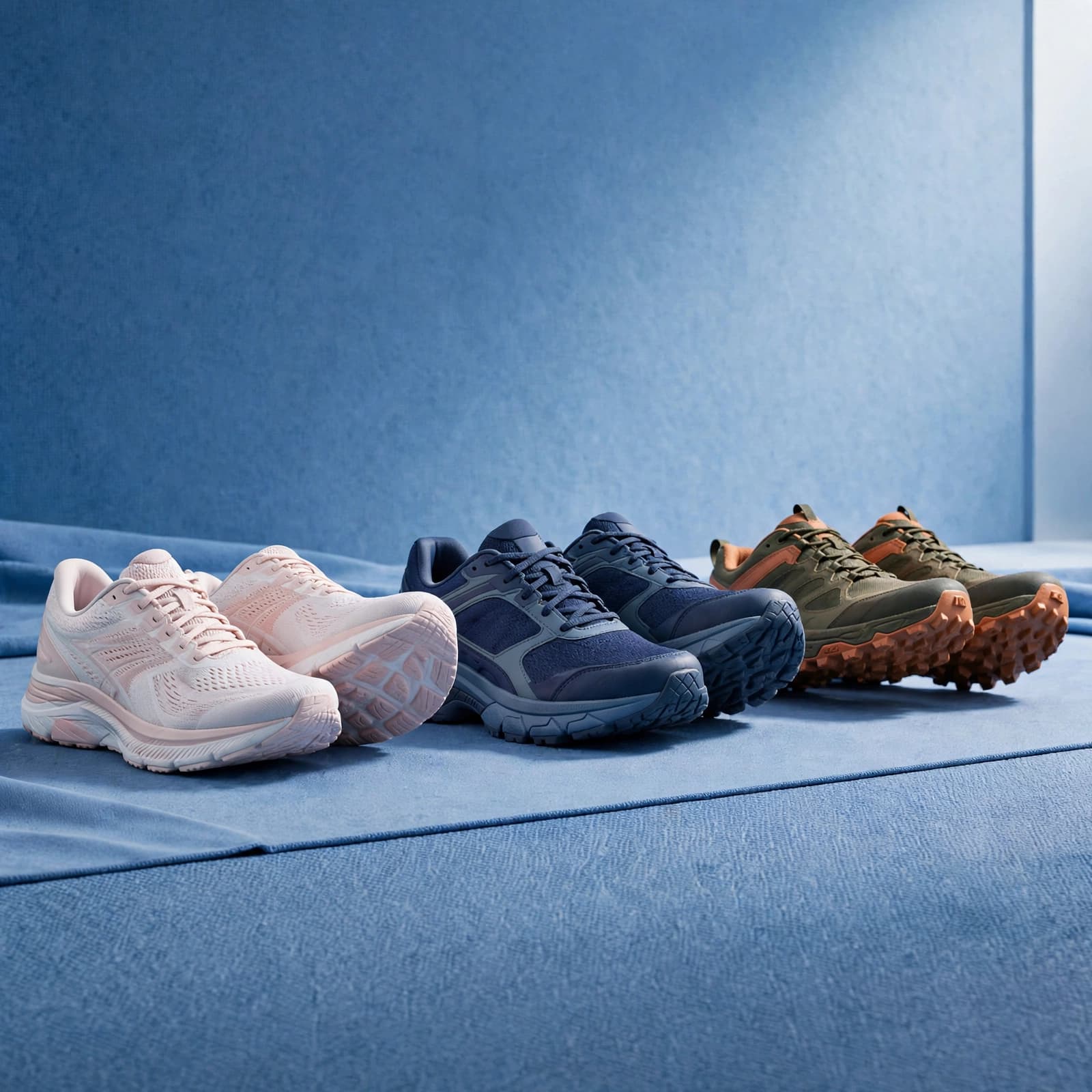
Purpose should narrow your shortlist before style does. A fashion trainer can look sporty without providing the grip or stable platform you need for exercise. Likewise, one sports shoe won't suit every workout.
Running, gym and trail trainers each have a different job
Running trainers support repeated forward movement, with cushioning and flexibility designed around that action. Road-running models, such as the Nike Pegasus, differ from trail shoes built for uneven ground.
For gym sessions, consider the exercises you do most. Strength training often calls for a firmer, steadier base, whilst mixed workouts may need flexibility and lateral support. Very soft, tall soles can feel less stable under load.
Meanwhile, trail trainers need outsole grip suited to your usual surfaces. Deeper tread can help on loose or muddy paths, but grip varies with the sole compound and conditions. Waterproof construction also involves trade-offs in breathability.
Everyday, retro and slip-on styles put comfort and outfit matching first
Casual trainers offer more freedom over shape and colour. Low-profile canvas pairs work with relaxed denim, whilst retro styles such as the New Balance 574 have a fuller silhouette. Smart trainers can provide a more polished option for an outfit.
Platform trainers change an outfit's proportions, but extra thickness doesn't guarantee comfort. High-tops cover more of the ankle without automatically providing sports-specific support. Lace up styles offer more adjustment, whilst slip on pairs are convenient but have a fixed opening. Zip up styles provide another practical closure.
Think about your existing wardrobe before choosing a colour. White and cream are versatile but show dirt; darker shades can be easier to maintain. For a bold pair, choose a colour that already appears in your clothes or accessories.
How to Choose Women’s Trainers That Fit and Feel Right
A familiar UK size is a starting point, not a guarantee. Shape, width and internal space differ between models, even within the same brand.
Measure both feet and check the brand's size guide
Measure each foot whilst standing, wearing the socks you expect to use. Record heel-to-toe length and width, then use the larger foot as your starting point.
Next, compare those measurements with the maker's chart for the exact model. Some charts show foot length, whilst others use different measurements, so read their instructions carefully.
Try shoes later in the day, when your feet may be larger. If standard widths pinch or feel loose, look for a wide fit or narrow fitting rather than changing length alone.
Check toe space, width and heel hold before deciding
Your toes should move freely without pressing against the front or feeling squeezed together. The upper shouldn't bulge tightly across the forefoot, and your heel should stay secure without rubbing.
Walk around in both shoes, then try movements relevant to your activity. Lace up the shoes and check whether you can adjust them securely. A few gentle side steps can reveal whether your foot slides inside a gym trainer.
Check the tongue, collar and seams too. Local pressure can become irritating during longer wear. Don't expect a painful or clearly tight pair to become comfortable through use.
Choose cushioning and support for your routine, not a trend
Softness is only one part of comfort. A plush midsole may feel pleasant briefly, yet a steadier shoe may suit your routine better.
Consider how long you'll wear the pair and whether you'll spend that time walking, standing or exercising. Walking trainers may suit longer days on your feet. Also account for the ground underfoot.
Named support features don't guarantee an individual fit. Skechers' arch fit range, for example, still needs to feel right on your foot.
A shoe that feels soft while standing can still slip at the heel or squeeze your toes when you move.
For persistent pain or a specific foot concern, seek advice from a GP, podiatrist or physiotherapist.
What to Check for Quality, Style and Value
Good women's trainers combine suitable materials with sound construction. Inspect the whole shoe before judging its price.
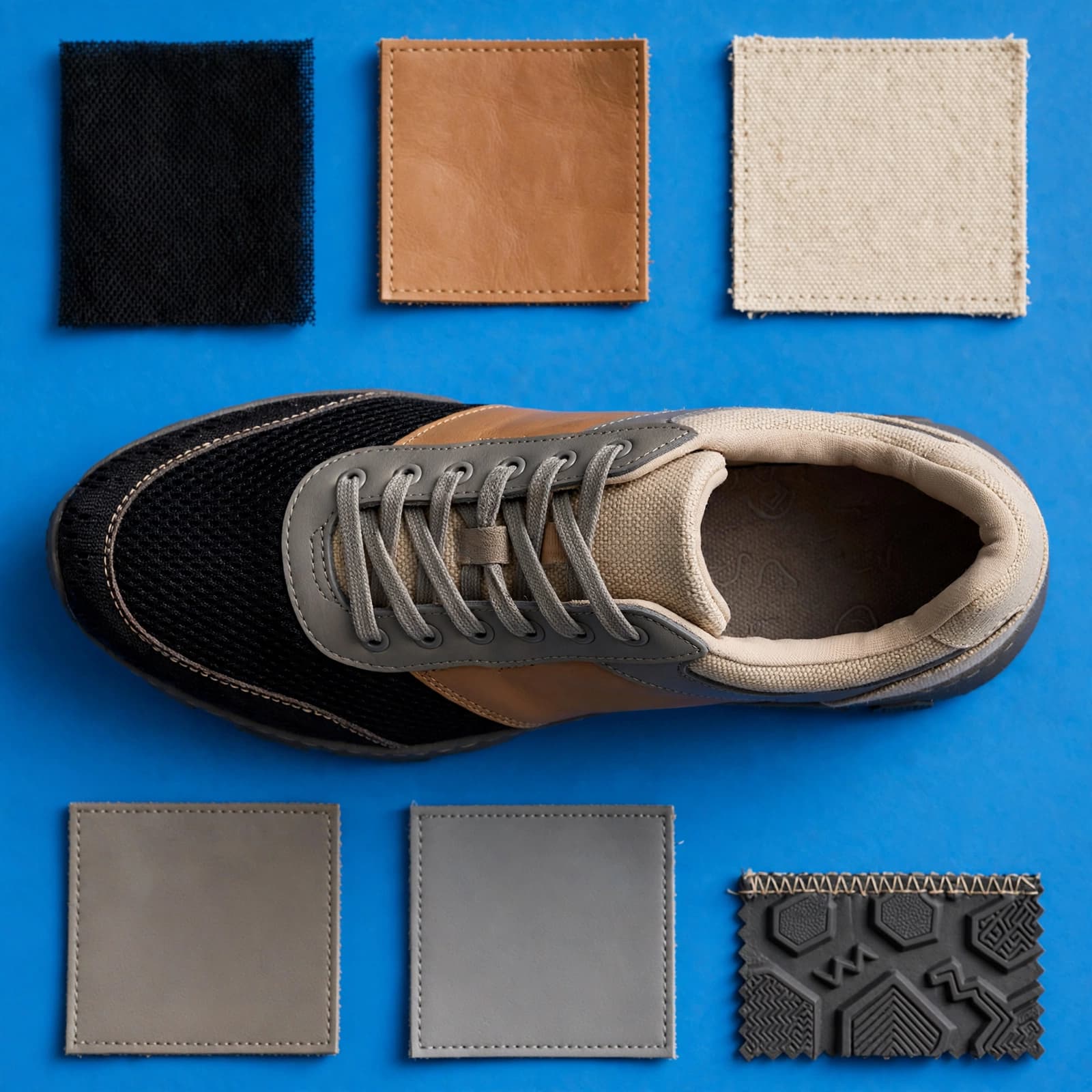
Look at the upper, sole and finish, not just the logo
Check for even stitching, secure joins and a neatly attached sole. Examine outsole tread and coverage for your intended use. A cushioned sole may add comfort, but thickness alone doesn't prove durability.
Mesh can make lightweight trainers feel breathable, but it isn't necessarily weather-resistant. Leather trainers may wipe clean more easily, although they can feel warmer. Canvas is flexible but absorbs moisture; synthetic uppers vary widely in softness and durability.
Inside, check for rough seams, flat removable insoles and whether memory foam suits your comfort and intended wear.
Balance cost against wear, comfort and how often you'll use them
Budget pairs can suit occasional casual wear. Mid-range shoes may offer more technical construction, whilst premium prices can reflect specialist features, materials or design demand.
Whether considering Nike, Adidas, New Balance or Pavers Active, assess each model individually; no name guarantees the right fit.
The main trade-offs are straightforward:
- Paying more can bring activity-specific features, but those features add little value if you won't use them.
- A cheaper pair saves money initially, although poor comfort or early replacement can erase that saving.
Judge value for money against likely wear and comfort, not the logo or discount.
Pick a style you can wear beyond one season
Neutral colours and simple shapes are easy to repeat across outfits. A pair of smart trainers or a bold retro design may be better value if it suits your wardrobe.
Try chunky soles with your usual trouser lengths before buying. Trends change, but proportions still matter.
For recycled or lower-impact materials, check what the claim covers. A recycled upper doesn't establish the environmental impact of the entire shoe.
How to Buy Trainers Online with Confidence
Online shopping offers broader size and colour choices for ladies’ trainers, plus easier price comparison. However, you can't assess fit first, so shortlist carefully before ordering.
Use reviews to spot patterns in fit and everyday comfort
Read feedback about the exact model, ideally from people with similar activities or foot shapes. Repeated comments about narrow toes, heel rubbing or inconsistent sizing deserve attention.
Also distinguish first impressions from accounts of regular wear. A review written after several weeks can reveal issues that a quick try-on misses.
Check whether reviews cover the same version. Manufacturers can change uppers, soles and sizing between updates. Look at model details and fit reviews, including comments on how securely the trainers lace up.
Check delivery, returns and authenticity before placing an order
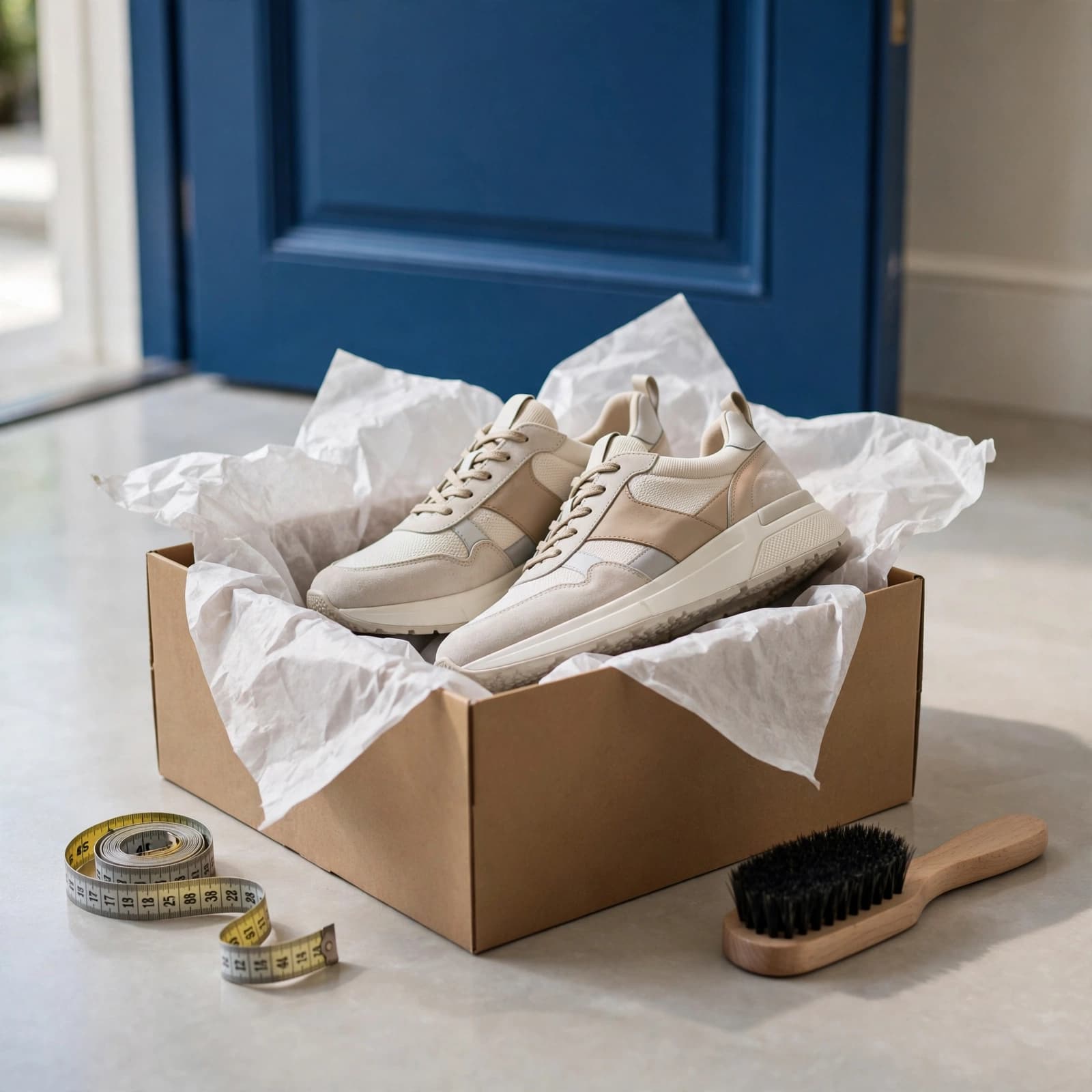
Confirm the size, width and colour in your basket, then read the delivery estimate and return terms. Check deadlines, return postage and any conditions on packaging or trying shoes indoors.
Once they arrive, test them on a clean indoor surface before removing labels or wearing them outside.
For sought-after designs, choose a trusted seller with clear contact details. Inspect product information, labelling, finish and packaging, but remember that photographs alone can't prove authenticity.
Compare the full price and care needs before buying
Compare the final total, including delivery and possible return costs. A discount may apply only to selected colours or sizes, so check your chosen option.
Also consider upkeep. Pale suede needs different care from wipe-clean synthetic material, and mesh can trap dust.
Follow the maker's care label. Remove loose dirt with a soft brush, hand-clean with a suitable mild cleaner, then air-dry. Store trainers away from direct heat and strong sunlight.
Frequently Asked Questions
Can I wear running trainers for everyday use?
Yes, provided they feel comfortable and suit what you'll be doing. Running models often have a more cushioned sole and a different shape from casual trainers, which can affect how they feel when standing. Everyday walking also adds wear, so include it when judging their lifespan.
How often should I replace running trainers?
Roughly 300 to 500 miles, or about 480 to 800 km, is a common starting guide rather than a fixed deadline. Body weight, surfaces, activity and shoe construction all affect lifespan. Check for worn tread, damaged uppers or a noticeable change in comfort before relying on mileage alone.
Are higher-priced pairs worth the extra cost?
They're worth considering when their construction or activity-specific features meet a genuine need. A premium price doesn't guarantee a better fit or longer useful life. A Skechers pair, for example, isn't automatically better value because of its brand; a lower-cost pair may suit your routine just as well.
How can I tell whether a pair is genuine?
Buy from a trusted seller and compare the product code, branding, stitching, materials and how the shoes lace up with reliable manufacturer information. No single detail proves authenticity, because counterfeit products can copy labels and packaging. An unusually low price, unclear photographs or inconsistent listing details are reasons to pause before paying.
Final Verdict: Buy for Your Routine
Choose a pair in this order: intended use, secure and comfortable fit, construction, then total value. Appearance matters, but it should support a purchase you'll enjoy wearing regularly.
Buy them if they suit your needs, feel right in motion and offer value through regular wear, as casual trainers or for exercise. Skip them if they pinch, slip or rely on a fashionable shape to compensate for unsuitable construction.
Compare models carefully and read online return terms before paying. The right pair earns its place through comfortable wear, rather than its price tag or logo.
Shop Women's Trainers
Explore our Buyers Guides and Reviews
◦ 🏠 All Buyers Guides Homepage
https://comparepriceswebsite.co.uk/index.php/2026/10/03/womens-trainers/


Comments
Post a Comment